
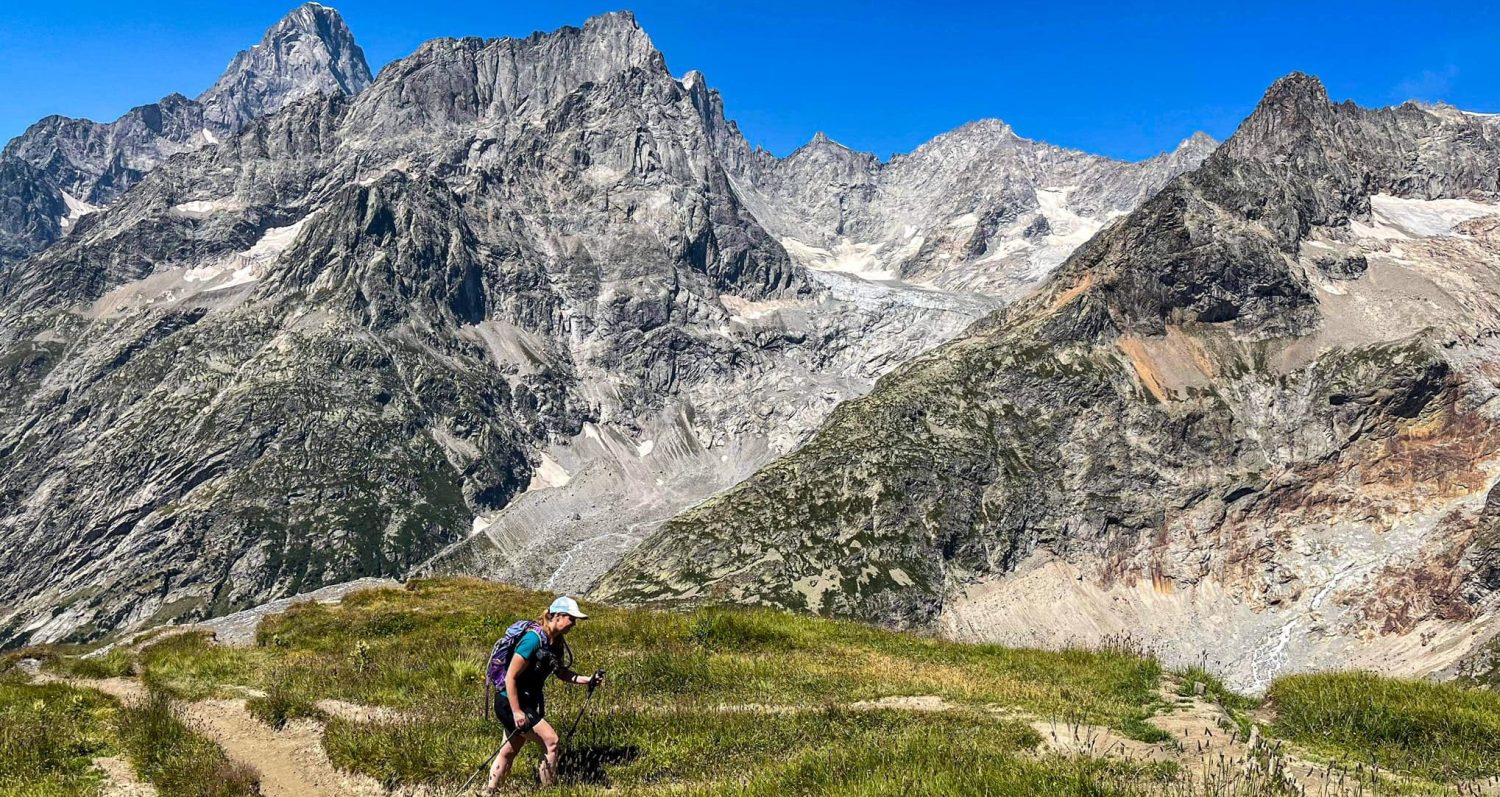
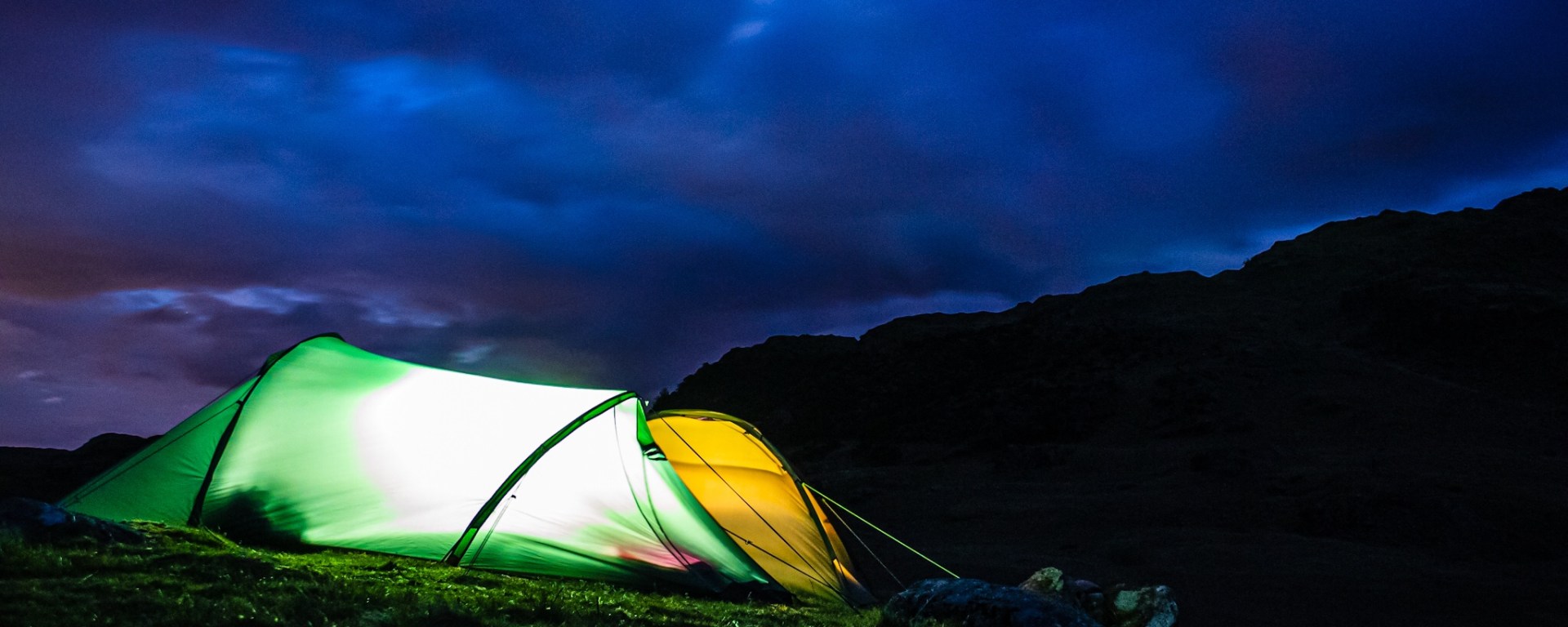
Whether you are on Facebook, Instagram, or TikTok, pictures and videos of wild camping continue to inspire people to start their own adventures. With that comes a stream of questions, all asking the same thing: How do I get into wild camping?
In my experience, the most common questions people ask can be categorized into the following:
- What are the legalities of wild camping?
- What equipment do I need?
- How do you find a suitable pitch?
In this blog, I aim to answer these questions!
1. The Legalities of Wild Camping
In England and Wales, unless you get permission from the landowner, you are technically trespassing. This is a civil (not criminal) offense, meaning you could be fined. However, if a landowner asks you to move and you refuse, it becomes aggravated trespass, which is a criminal offense.
That said, wild camping is generally tolerated across England and Wales if you follow some general guidelines. One article I highly recommend is the Lake District National Trust’s article on wild camping, which effectively summarizes the guidelines for wild camping anywhere in England. Failure to follow these guidelines can be considered illegal fly camping.
The Rules in Summary
- A wild camp pitch must be above the highest fell wall (approximately 400m or 1200 feet high).
- Arrive late (at dusk) and leave by dawn.
- Camp out of sight.
- Avoid camping with more than two tents.
- Don’t camp next to streams or springs to avoid contaminating the water.
- LEAVE NO TRACE (LNT) – take everything out that you brought in, including any waste.
- DON’T LIGHT FIRES OR USE BBQs – this is a wildfire risk and damages the ground, contradicting LNT principles.
- Check the weather forecast! Don’t become an issue for mountain rescue—camp within your equipment limits.
- Plan ahead and be prepared to find another pitch—navigation skills are essential.
- Park responsibly—keep driveways and gates clear.
Wild camping is fantastic, but we need to stick to these rules, especially Leave No Trace and being respectful of the landscape. This is what protects us from wild camping becoming criminalized.
2. What Equipment Do I Need?
Before diving into a list, there are a few questions you need to ask yourself:
Q1. When do I want to camp? (Summer, Winter, Autumn, or all year round)
- This will impact the kit you buy and how much you may need to spend on suitable equipment that can withstand the weather.
Q2. How much can I comfortably carry?
- If you have a rucksack, fill it with items to determine the total weight you can realistically carry. My rucksack generally weighs between 9kg – 12kg, depending on whether it’s a summer or winter camp. I couldn’t carry more than this, so I ensure my equipment is light enough.
Q3. What is my budget?
- Your budget impacts the weight and quality of your gear.
- Lightweight tents and sleeping bags tend to be more expensive.
- If you plan to camp in summer, you’ll generally need a lighter, cheaper setup (a 2-3 season tent and a smaller sleeping bag).
- Winter camping requires sturdier, warmer gear, which adds weight unless you spend more for ultralight options.
Essential Equipment List (For Tent Camping)
Please note, I have written separate blogs on Tents, Sleeping Bags and Mats. These will give you a breakdown of what to look for, key considerations including budget, seasons and weight. It also has a few brad recommendations to suit different budgets.
- Tent – Read Choosing the Right Tent for Wild Camping: A Complete Beginners Guide for more info
- Sleeping Bag – Read Choosing the Right Sleeping Bag for Wild Camping for more info
- Sleeping Mat – Read Choosing the Right Sleeping Mat for Wild Camping: A Beginners Guide for more info
- Rucksack – I recommend 60/65L, available in men’s and women’s fits. Look for waterproof covers, external space for poles, etc. (I use Osprey; a women’s fit has made a big difference for me at 5ft 2.)
- Layers – Base layer, mid-layer, warm layer, waterproof layer, hat, gloves, etc., as temperatures drop significantly at night.
- Stove – Popular options: Jetboil & MSR. Check if it has a built-in ignition; smaller ones don’t, so you’ll need matches.
- Food & Cutlery – Base Camp Foods offers lightweight meal options. Collapsible plates and cups help with storage.
- Water – Check if your campsite has a fresh water source (e.g., a stream). If so, bring a filter. If not, calculate your water needs and consider reusing heated water for hot water bottles.
- Map & Compass
- Headtorch – Personal recommendations: LedLenser (brighter, long battery life) or Petzl. Check if it’s rechargeable or battery-operated—carry spares or a power bank.
- Power Bank – For emergency phone charging.
- Dry Bags – Essential for keeping electronics and sleeping bags dry in bad weather.
- Rubbish Bags – Take your waste with you.
- Tick Remover – I’ve had three ticks after wild camping in the Lake District!
- Other items: First aid kit, multi-tool, toiletries, sunscreen, whistle (for emergencies), insect repellent, duct tape & repair kit, emergency shelter or foil blanket, and a lightweight sitting mat or chair.
3. How to Find a Wild Camping Pitch
Many people (myself included) are reluctant to share specific wild camping locations online. The reason? A post with 1,000+ views could lead to an influx of campers at one site, damaging the environment.
How to Find a Suitable Pitch
The easiest way is scouting while hiking. Look for:
- Flat, non-boggy areas
- Spots away from the main path
- Areas with short grass
Other Ways to Find a Pitch
- Ordnance Survey Maps (OS Maps): Look for flat, elevated spots away from footpaths and water sources.
- Google Earth: Helps identify remote areas with good cover.
- Outdoor & Wild Camping Forums: Websites like UKClimbing, The Hiking Life, or Wild Camping UK Facebook groups provide recommendations.
- Apps: Use apps like Komoot and OS Maps to find potential pitches.
Wild camping is an incredible experience, but it comes with responsibilities. By following the guidelines and respecting the environment, we can ensure it remains accessible for future adventurers. Happy camping!
 Amy’s Journey